How does the FUE procedure work?
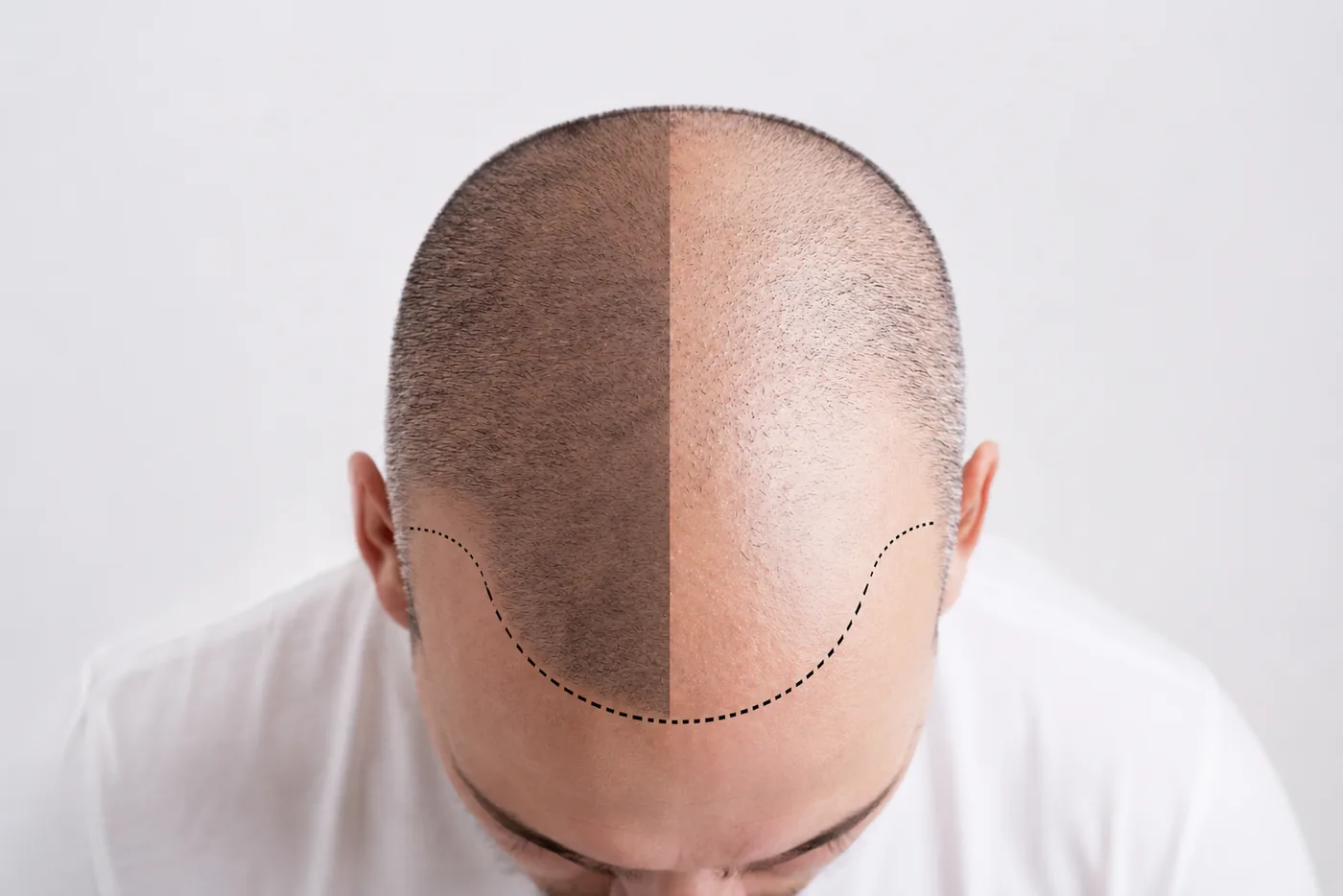
With FUE (follicular unit extraction), the surgeon uses a tiny punch to remove individual follicular units from the donor area, then implants them one by one. There's no linear scar and recovery is quicker than older strip methods. It's the most common technique today - compare it with FUT on the types & options page.
How long does a hair transplant take, and is it painful?
Most procedures take 4–8 hours depending on the number of grafts. Because it's done under local anaesthetic, you're awake but shouldn't feel pain during it - just some pressure. Mild soreness, tightness, or swelling for a few days afterward is normal and manageable with simple pain relief.
How does Bosley hair restoration work?
Bosley is a well-known US provider that performs both FUE and FUT hair transplants. The underlying process is the same as described above: donor harvesting, graft preparation, and implantation under local anaesthetic, followed by the standard recovery timeline. As with any provider, compare the surgeon, technique, and quote - see how to choose a clinic.
Related guides
Common questions
The procedure is done under local anaesthetic, so you're awake but shouldn't feel pain during it. Mild soreness, swelling, or tightness for a few days afterward is normal.
Yes - hair transplants use local anaesthetic, so you stay awake and can relax. Some clinics offer mild sedation to help you feel comfortable.
Transplanted hairs shed within a few weeks, then new growth begins around month three. Density builds through months 6–9, with final results near 12 months.
Sources & notes
Timeframes are typical and vary by individual, technique, and graft count. Follow your surgeon's specific aftercare instructions.
- International Society of Hair Restoration Surgery (ISHRS) - procedure and recovery guidance.
- American Academy of Dermatology (AAD) - hair transplant patient information.
- Peer-reviewed literature on FUE recovery and growth timelines.